01
First Responders
Manage occupational stress, burnout, recovery, relationships, career pressures, and the challenges that follow you home after the shift ends.
Resources for First Responders →A Tactical Guide to Resilience for First Responders
First Responder Resilience
First-responder work demands more than technical skill. SOP4Stress provides practical resources for first responders, supervisors, departments, and families navigating occupational stress, resilience, leadership, career pressure, and life beyond the shift.
Built for the Realities of the Job
Stress in public safety can build through long shifts, interrupted sleep, critical incidents, organizational pressure, difficult leadership, family strain, repeated exposure to trauma, and the expectation to remain composed no matter what happens. SOP4Stress focuses on practical strategies that acknowledge those realities rather than offering generic stress-management advice.
Find Resources for You
The demands of first-responder work affect people differently depending on where they sit within the system. Start with the resources most relevant to you.
Manage occupational stress, burnout, recovery, relationships, career pressures, and the challenges that follow you home after the shift ends.
Resources for First Responders →Recognize stress and burnout, communicate more effectively, support personnel appropriately, and help create healthier team cultures.
Resources for Supervisors & Leaders →Explore practical approaches to resilience education, organizational wellness, leadership development, morale, retention, and first-responder support.
Resources for Departments & Agencies →Understand how first-responder work can affect communication, relationships, family life, emotional availability, and life outside the job.
Resources for Families & Spouses →Resource Areas
SOP4Stress organizes its resource library around four major areas of first-responder life.

Understand cumulative stress, burnout, trauma exposure, sleep disruption, unhealthy coping, recovery, and the skills that support long-term resilience.
Includes: Occupational stress, critical incidents, fatigue, substance use, mental wellness, and sustainable performance.
Explore Stress & Resilience →
Better individual resilience matters, but organizational culture matters too. Explore how supervisors, peers, policy, and workplace expectations shape responder wellbeing.
Includes: Supervisor communication, peer support, mental-health stigma, morale, retention, wellness programs, and organizational stress.
Explore Leadership & Culture →
A first-responder career affects more than the hours spent on duty. Explore the professional pressures that accumulate across years of public-safety work.
Includes: Shift work, work-life balance, career development, workplace conflict, professional identity, changing technology, and retirement.
Explore Career & Life →
Stress does not always stay at work. Explore how first-responder careers can affect relationships, communication, parenting, and emotional connection at home.
Includes: Communication at home, relationships, parenting, emotional spillover, reconnecting after difficult shifts, and family resilience.
Explore Relationships & Family →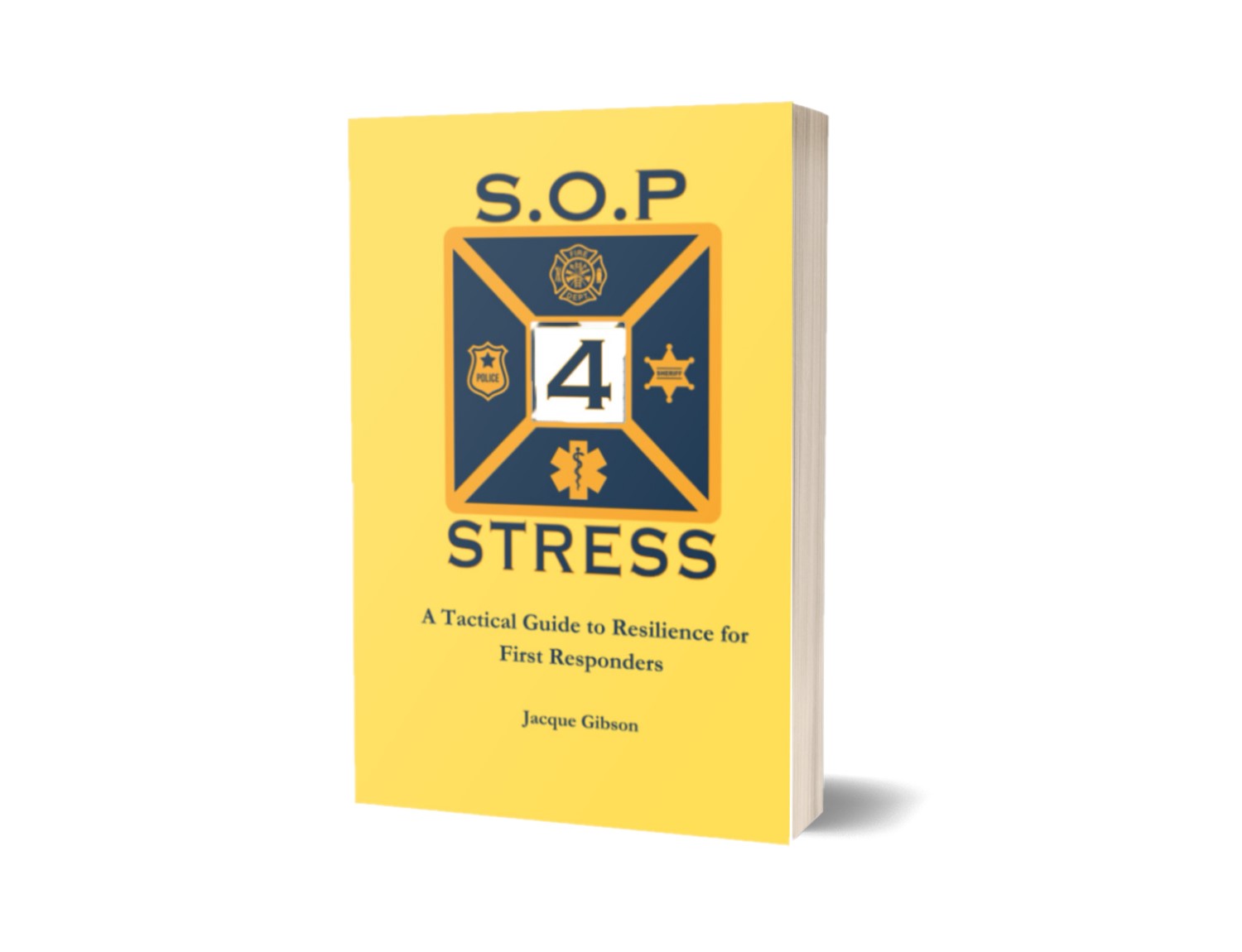
S.O.P. 4 STRESS
First responders are trained to manage emergencies, protect others, make difficult decisions, and function under pressure. They are not always given the same level of preparation for managing the stress that accumulates over years of doing the job.
S.O.P. 4 STRESS provides a practical framework for understanding occupational stress and developing healthier ways to manage its effects. Rather than pretending stress can simply be eliminated, the book focuses on awareness, practical coping, recovery, resilience, and the habits that can help responders sustain both their careers and their lives outside the job.
Latest Resources
Explore articles covering the challenges that first responders, leaders, organizations, and families encounter throughout a public-safety career.
Supervisors can be supportive, observant, and compassionate without diagnosing, treating, or becoming a coworker’s sole support system.
Decompression is a transition, not a license to disappear. Families can negotiate a routine that respects both recovery and connection.
Humor can create relief and connection, but it can also become avoidance or cross lines that damage trust.
Speaking & Training
A single article can introduce an idea. A meaningful conversation can change how an organization approaches stress, leadership, resilience, and responder wellness.
SOP4Stress speaking engagements are designed for public-safety audiences and organizations that want practical, credible discussions about the pressures first responders face and the systems that can help them manage those pressures more effectively.
Practical. Relevant. Built around the realities of the job.
Why SOP4Stress
First responders are already expected to tolerate discomfort, uncertainty, pressure, fatigue, confrontation, tragedy, and responsibility. The answer to occupational stress cannot simply be another demand to become more resilient.
Real resilience involves understanding where stress comes from, recognizing its effects earlier, developing healthier ways to respond, building stronger recovery habits, improving communication, and creating organizations that do not unnecessarily add to the burden.
SOP4Stress approaches resilience as both an individual and organizational responsibility.
Start Where You Are
Whether you are managing the pressures of the job yourself, supervising others, supporting a first responder at home, or trying to build a healthier organization, SOP4Stress gives you a place to start.
Looking for a speaker or training program? Explore Speaking & Training →